
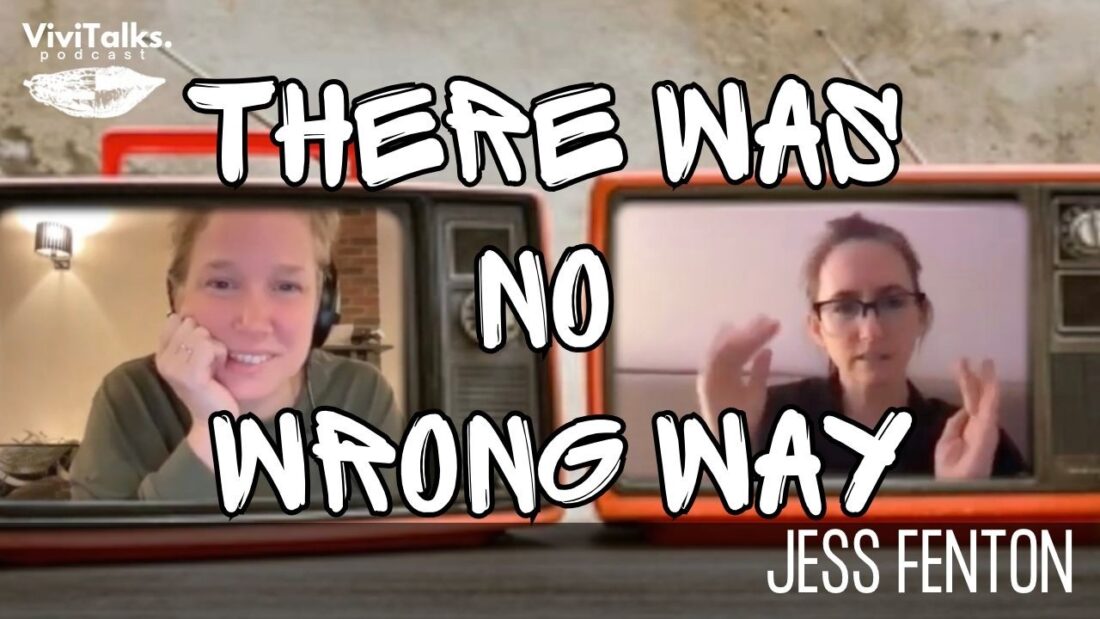
Jess Fenton on Mixing with Emotion, Reversed Saxophones & Women in Production
In this episode I sat down with Jess Fenton, the mix engineer behind Typuhthâng. Jess brings a rare combination of taste, boldness, and care, and our conversation quickly revealed something that shaped the entire mixing process: for this album, there was no single “right” way to do it.
Jess is one of the 100 women on my album Typuhthâng. Jess mixed the whole album. The album supports female cacao farmers in Virunga National Park, Congo, and rainforest restoration. Every copy comes with chocolate.
“There was no wrong way”
When I asked Jess how she found the right approach, she answered with a sentence that still makes me smile: there was no wrong way. She described having genuine creative freedom, permission to experiment, and space to take things to “the weirdest of spots” without fear of judgment. Once we got through the first track and learned how we communicate and what we both respond to, mixing became less about rules and more about resonance.
Mixing from the heart, not from a checklist
Jess’s process was primarily emotion-based. Instead of starting with an agenda of EQ moves and compression settings, she listened for one thing first: does this feel right? If something created a real emotional response, it stayed. If it didn’t, it moved. Then she checked with me to see if the same feeling landed for me. Simple, but brave, because it asks you to trust your instincts and let the music lead the technical decisions.
Remote recording, surprisingly not a hurdle
The album was recorded remotely, and Jess expected that to be a challenge. It turned out to be the opposite. She was impressed by the care every musician put into their recordings, and how well the tracks blended despite different rooms and setups. (Her dog Bosley was present for the whole mixing process.)
No reference tracks, no genre box
There were no strict requirements, no reference tracks, and no pressure to fit one genre. I invited Jess to add what she felt the music needed. That freedom is rare in independent music, where revision rounds can be endless. With this record we did fewer revisions than usual, because the work was guided by intuition and shared taste rather than a template.
“Just Go,” 26 voices, and a wholesome punch to the heart
When I asked if a track stood out, Jess kept coming back to “Just Go.” She called it sweet, positive, and surprisingly emotional. Mixing it was intimidating at first because the track features 26 singers, and she wanted to do justice to every single person. But once it clicked, she felt that moment of certainty: this is really good.
Soundscapes, panning motorcycles, and reversed saxophones
Jess had never mixed something with this much environmental storytelling, and she was inspired by how the “random” sounds connected into something coherent. Her goal became enhancement, not disruption: panning a motorcycle from left to right, adding reverb, reversing a saxophone, creating motion and space without overdoing it.
Strings, distortion, and the joy of silence
Sometimes the best move was simply letting the string arrangements speak for themselves. Other times we leaned into experimentation: getting “a little weirder,” adding distortion, building intensity until it suddenly stops. On “Silence,” Jess did the opposite of what the title suggests, reversing and swelling notes so they take up space, then carving out a moment of true silence before a trumpet solo enters.
Women in production: get into the gatekeepers’ Rolodex
Jess spoke passionately about representation in production. Her point was sharp and practical: we need to influence the gatekeepers, the people choosing production teams and session players, so women are actually considered. The talent is everywhere; it just takes effort and listening.
“We cannot find them” is not a valid excuse.
Jess contributes to that mission with her YouTube series Proof in Music, twelve episodes featuring women in music production.
What Jess is working on now
Jess finished an audio drama horror podcast called Stay the Night, for which she created the theme music and mixed the project, and she works on shows for The Wall Street Journal. She closed with a generous statement that meant a lot: she believes these songs are timeless.
More from Jess Fenton
Watch Jess’s YouTube series Proof in Music, featuring women in music production.
Watch the full ViviTalks episode with Jess Fenton
Press play on the video at the top of this page to hear Jess Fenton in her own words. You can also find this conversation, and every other ViviTalks episode, on YouTube.
More ViviTalks
ViviTalks is my interview series with the women behind Typuhthâng. Watch all episodes on YouTube or read more ViviTalks stories.